

our curriculum
At IPELC, our curriculum is built around key developmental milestones. By tracking how children play, learn, and grow, we create engaging learning experiences that nurture their natural curiosity. From first words to creative explorations, each step of your child’s journey is guided with warmth and excitement, fostering a lifelong love of learning.
Our Approach to Learning
Our curriculum blends intentional skill-building with hands-on, joyful experiences that nurture confidence, independence, and a love of learning.
Our lead teachers observe and track developmental milestones, ensuring a personalized approach to each child’s growth.
Our Lesson Plans
Daily activities are centered around a monthly theme, thoughtfully designed to align with state milestones and standards for child development. Every activity becomes an opportunity for your child to learn, grow, and explore their world with wonder, guided by developmentally appropriate practices and intentionally supports growth in::
• Language development
• Fine motor skills
• Early literacy and math
• Social-emotional growth
• Independence and life skills
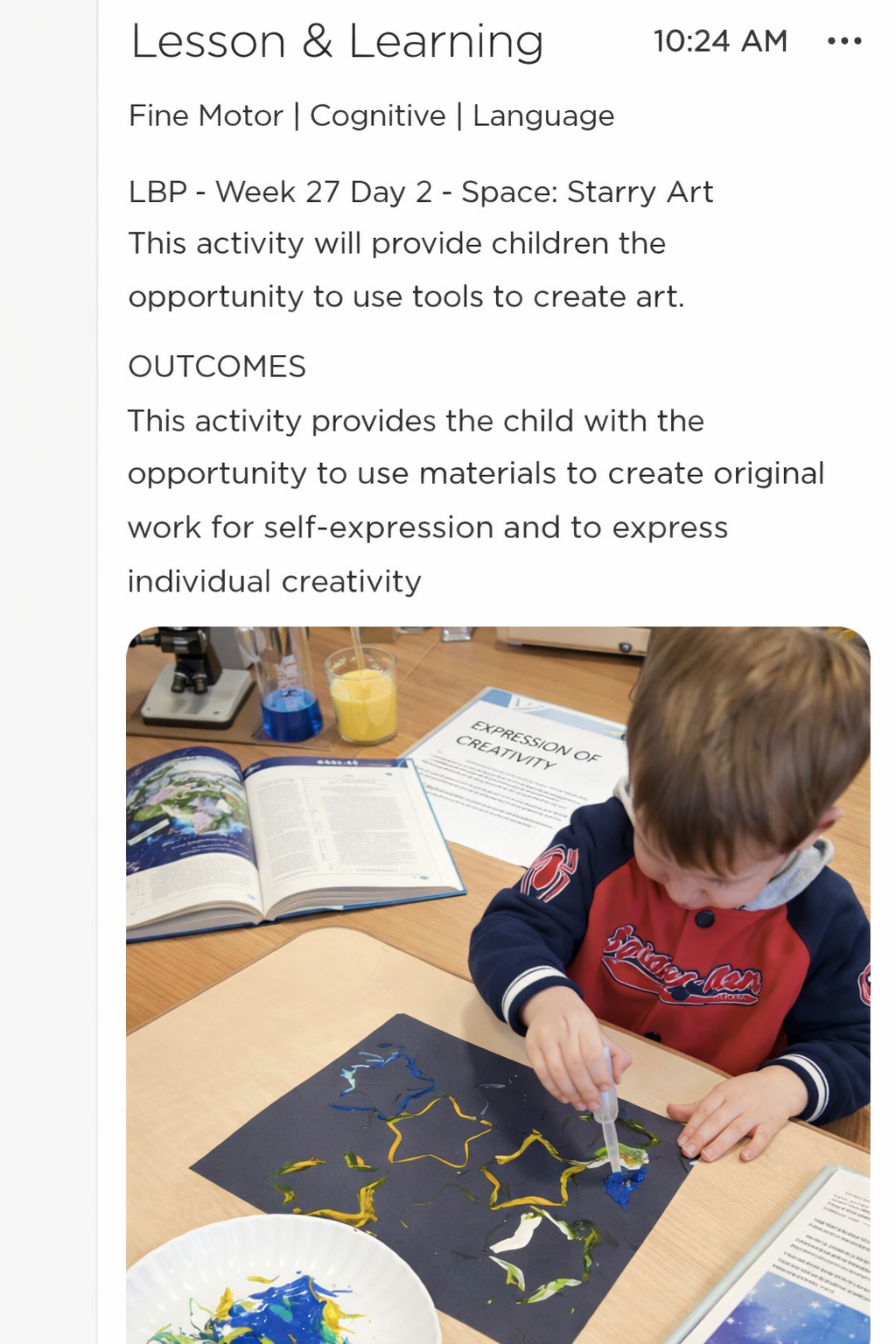
Lesson plans include clear learning objectives and outcomes, and families receive photo documentation through our parent app so they can see learning in action.
Kindergarten Readiness
Year after year, our graduates enter kindergarten prepared, not just academically, but socially and emotionally.
We prepare children for kindergarten without pressure, worksheets, or rigid expectations. Instead, we focus on hands-on learning, meaningful classroom routines, and experiences that help children build confidence, independence, and a genuine love of learning.
-
We believe independence is just as important as academics. At IPELC, children learn how to:
Follow teacher directions
Transition between activities
Clean up and care for materials
Work independently and in small groups
Express their emotions appropriately
These skills build confidence and help children transition smoothly into kindergarten.
-
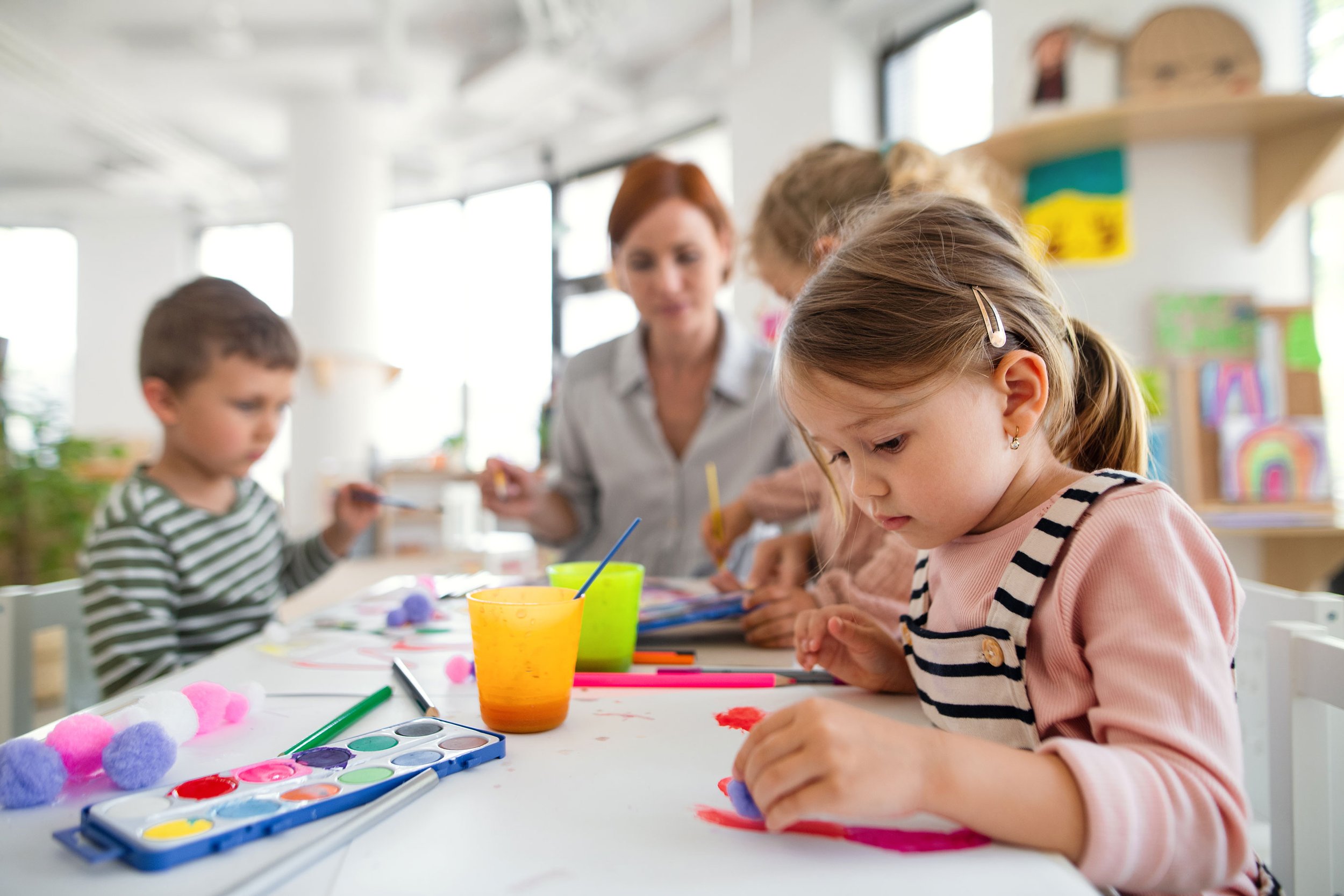
Our classrooms are intentionally designed with different learning areas, such as dramatic play, blocks, art, sensory exploration, and small group tables, where children learn how to interact, collaborate, and problem-solve with one another.
Through structured routines and supportive teacher guidance, children learn how to:
Take turns and share materials
Solve problems with peers respectfully
Express emotions using appropriate language
Participate in group activities
Develop confidence speaking in front of others




-
Language Lessons
We’re opening doors to language learning from the very beginning. Our Spanish program introduces children to the sounds and rhythms of a new language through playful, age-appropriate activities. From our littlest learners to our preschoolers, children encounter Spanish words and phrases woven naturally into their day. This early exposure to Spanish fosters cultural awareness and builds a foundation for future language learning. As children grow with us, so does their Spanish vocabulary, creating confident little communicators ready to explore our diverse world.
-
Procare App
We keep families connected throughout the day with real-time updates, photos, and activity highlights shared through our secure parent app. Lesson plans are shared daily, and parents can message teachers directly, creating an open line of communication.
-
Twice a year, our parent-teacher conferences create opportunities for families and educators to connect deeply about each child’s journey. We share insights on developmental progress, celebrate achievements, and set goals together. These meetings foster open communication, ensuring we’re all partners in nurturing your child’s potential, and parents leave with a personalized information sheet covering their child’s milestones and progress. It’s a time to ask questions, share observations, and strengthen our collaborative approach to your child’s growth.
-
At IPELC, we use sign language as an early communication tool, helping infants express themselves before they can speak. Simple gestures, like touching fists together to ask for more food, allow little ones to communicate their needs and wants. This early form of expression eases frustration so children gain confidence interacting with the world around them as they learn new signs.